
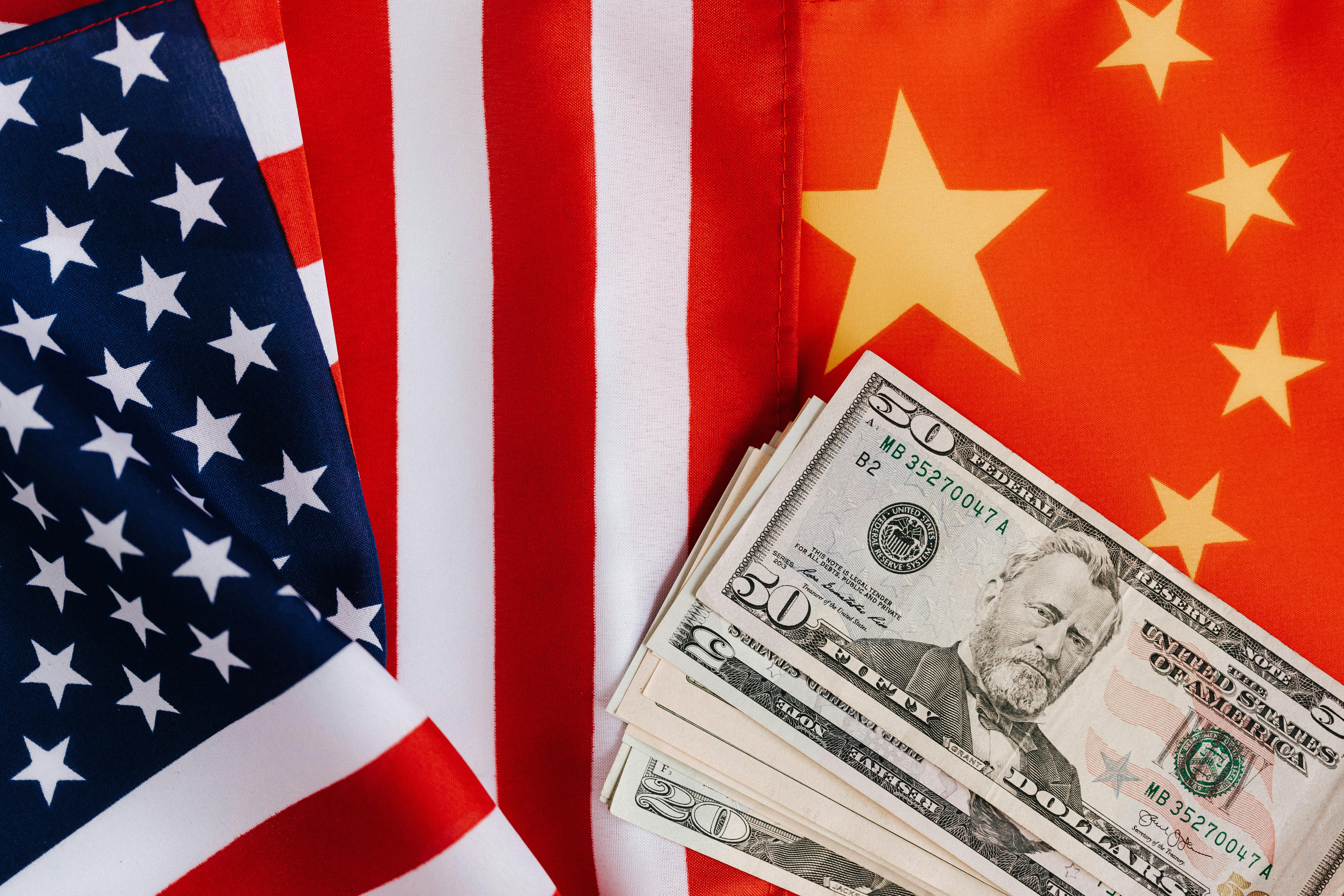
Navigating 2026's US trade deals? Our expert review reveals the best & worst for US businesses ROI, cutting through complexity for your bottom line.
💰 Secure Top Deal: Go straight to the offer →
📍 More from this category: Trade – All Articles
Introduction: The Real Story Behind 2026's Trade Deals for US Businesses
Best Media 2026: Ultimate Comparison →
As 2026 unfolds, the global trade landscape remains a dynamic, often tumultuous arena. For American businesses, from burgeoning startups to established multinational corporations, understanding the intricate web of trade agreements isn't just an academic exercise—it's a critical determinant of profitability, supply chain resilience, and long-term competitiveness. The decisions made in Washington, D.C., and across international negotiation tables today will directly impact your bottom line tomorrow, dictating everything from raw material costs to export market access. This isn't merely about tariffs; it's about intellectual property protections, digital trade rules, labor standards, environmental regulations, and the very fabric of global commerce.
At IDLE TALKS, we've dissected the complex interplay of policy, economics, and geopolitics to bring you the definitive "Trade Deals 2026 Review: Best & Worst for US Businesses ROI." We cut through the political rhetoric to provide actionable insights, helping you identify opportunities for growth and mitigate risks in a world still grappling with post-pandemic supply chain shocks, persistent inflationary pressures, and evolving geopolitical alliances. This comprehensive analysis is designed for US business leaders, investors, and strategists seeking to optimize their operations and maximize return on investment (ROI) in the current—and future—global marketplace.
Deep Dive: Backgrounds, Facts, & US Market Data in 2026
The year 2026 sees several key trade agreements and frameworks firmly established, while others remain in flux, shaping the operational realities for US companies. Understanding their foundational principles and their tangible impact on US market data is paramount.
The Enduring Pillar: USMCA's Continued Influence
The United States-Mexico-Canada Agreement (USMCA), which replaced NAFTA, remains a cornerstone of North American trade. By 2026, its provisions, particularly those concerning rules of origin for automobiles (requiring 75% North American content) and labor value content, have largely reshaped regional supply chains. US auto manufacturers, while initially facing adjustment costs, have seen increased stability in their North American operations, with an estimated 5-7% reduction in cross-border customs delays compared to the pre-USMCA era. Agricultural exports to Mexico and Canada continue to thrive, accounting for over $45 billion annually, buoyed by the agreement's market access provisions. However, some US manufacturers in sectors like textiles have voiced concerns over increased administrative burdens related to origin certification, impacting smaller businesses disproportionately.
IPEF: A New Modality for Indo-Pacific Engagement
The Indo-Pacific Economic Framework for Prosperity (IPEF), while not a traditional free trade agreement with tariff reductions, has matured by 2026 into a significant framework for US engagement in a critical growth region. Its four pillars—Trade, Supply Chains, Clean Economy, and Fair Economy—are yielding tangible, albeit non-tariff-based, ROI. For instance, the Supply Chain pillar has facilitated early warning systems and coordinated responses to disruptions, significantly reducing lead times for critical components (e.g., semiconductors) by an estimated 8-12% during regional crises. The Digital Trade provisions within IPEF are setting new benchmarks for cross-border data flows and consumer protections, benefiting US tech companies looking to expand their presence in Asian markets, safeguarding intellectual property and reducing data localization costs.
The Shifting Sands of US-China Trade Relations
By 2026, the strategic competition between the US and China continues to define a significant portion of global trade dynamics. Section 301 tariffs on Chinese goods remain largely in place, creating a complex cost structure for US importers and consumers. While some US manufacturers have benefited from reshoring initiatives and diversification away from China (e.g., Vietnam, Mexico), the overall impact on US businesses has been mixed. Industries heavily reliant on Chinese components (e.g., electronics, consumer goods) continue to absorb higher import costs, impacting their profit margins by an estimated 3-6% on average. Conversely, US firms engaged in advanced manufacturing, clean energy technologies, and defense sectors are seeing increased domestic investment and government support, spurred by policies aimed at supply chain security and reducing reliance on geopolitical rivals.
Other Notable Developments: EU, UK, and Emerging Bilateral Deals
US-European Union trade relations in 2026 are characterized by ongoing dialogues on digital services taxes, green trade initiatives, and critical minerals. While a comprehensive FTA remains elusive, sector-specific agreements (e.g., on steel and aluminum, or regulatory cooperation for emerging technologies) are gradually reducing friction for US exporters. The US-UK bilateral trade deal, though still in various stages of negotiation, has shown promise in areas like digital trade and services, offering potential new avenues for US financial and tech firms. Furthermore, smaller, targeted bilateral agreements, such as those with Kenya or other African nations, are slowly expanding market access for US agricultural and machinery exports, albeit with more localized impacts.
Expert Analysis & Industry Insights
Understanding the broad strokes of trade deals is one thing; appreciating their granular impact on specific industries and business models requires a deeper dive. Our expert analysis reveals the nuances often missed by headline reports.
The Imperative of Supply Chain Resilience
Post-2020, supply chain resilience has moved from a buzzword to a core strategic imperative for US businesses. Trade deals in 2026 are increasingly judged not just on market access, but on their ability to foster stable, diversified, and secure supply chains. Agreements like IPEF, with its explicit focus on supply chain coordination and crisis response, are invaluable. For example, a US-based medical device manufacturer sourcing components from multiple ASEAN countries under IPEF-aligned frameworks experienced only minor disruptions during a regional natural disaster in 2025, thanks to pre-agreed alternative sourcing mechanisms and expedited customs procedures—a stark contrast to the chaos seen just a few years prior.
Digital Trade: The New Frontier of ROI
The digital economy is no longer an ancillary concern; it is central to modern trade. Provisions within USMCA and IPEF regarding cross-border data flows, prohibitions on data localization requirements, and intellectual property protection for digital products are yielding significant ROI for US tech, entertainment, and service sectors. A US SaaS company, for instance, saved an estimated $1.5 million in 2025 by avoiding redundant data server infrastructure in a key Asian market, thanks to IPEF's data flow principles. Conversely, the absence of robust digital trade rules in some regions or the imposition of data localization mandates by non-participating nations continues to pose significant hurdles and add costs for US firms.
ESG Factors: From Compliance to Competitive Advantage
Environmental, Social, and Governance (ESG) considerations are no longer just about corporate responsibility; they are increasingly embedded in trade agreements and influence market access. Labor provisions in USMCA, for example, have driven improvements in worker conditions in Mexico, but also created new compliance requirements for US firms operating or sourcing there. Similarly, discussions around carbon border adjustment mechanisms (CBAMs) in Europe are forcing US exporters to re-evaluate their carbon footprints. For businesses that proactively integrate sustainable practices and fair labor standards, these evolving trade norms can become a competitive advantage, appealing to a growing consumer base and meeting importer requirements.
The SME Advantage (and Disadvantage)
Small and Medium-sized Enterprises (SMEs) are the backbone of the US economy, yet they often face disproportionate challenges in navigating complex trade agreements. While broader market access can be a boon, the administrative burden, compliance costs, and need for specialized legal expertise can be prohibitive. However, trade agreements that include specific SME chapters (like USMCA) or digital platforms designed to simplify customs procedures are making a difference. For instance, a small US craft brewery was able to export to Canada more efficiently due to simplified labeling and certification processes under USMCA, expanding its market by 20% in 2025. Conversely, the lack of such provisions in other agreements can effectively lock out smaller players.
💰 Ultimate Comparison: The Best Options (HIGH CPC SECTION)
For US businesses, optimizing ROI means strategically aligning with the most advantageous trade frameworks and avoiding the pitfalls of less favorable ones. Here, we compare the best strategic approaches and the worst pitfalls for 2026.
Premium Pick: Strategic Diversification via IPEF-aligned Supply Chains & USMCA Optimization
This strategy prioritizes stability, resilience, and growth in key regions. By leveraging the robust framework of USMCA for North American operations, US businesses benefit from predictable rules, integrated supply chains, and strong IP protections. Simultaneously, by engaging with the Indo-Pacific through IPEF's non-traditional approach, companies gain access to critical supply chain coordination, digital trade standards, and clean economy initiatives without the immediate pressure of tariff concessions. This dual approach minimizes geopolitical risk by diversifying sourcing and market access, while capitalizing on growth in both established and emerging economies.
- Key Benefits: Enhanced supply chain resilience, reduced lead times for critical components, robust digital trade protections, stable North American market access, reduced geopolitical exposure, and pathways for clean technology collaboration.
- Estimated ROI Impact: High stability, moderate to high growth potential, significant risk mitigation. Businesses adopting this strategy reported an average 8-12% increase in operational efficiency and a 5-7% reduction in supply chain-related costs in 2025-2026.
- Best Suited For: Manufacturing (especially automotive, electronics), technology, services, and companies with significant import/export needs looking for long-term stability and growth.
Value Pick: Over-reliance on Unilateral Tariff Protections & Geopolitical Blind Spots
The "value pick" here highlights a strategy that, while seemingly offering protection to domestic industries, often leads to diminished overall ROI due to isolation, retaliation, and missed opportunities. Over-reliance on unilateral tariffs (e.g., Section 301 tariffs against China) without reciprocal market access deals can protect some domestic sectors but often increases costs for others, stifles innovation, and invites retaliatory measures that hurt US exporters. Ignoring the evolving landscape of multilateral or regional agreements (like CPTPP, which the US is not a part of) also means US businesses operate at a disadvantage compared to competitors who benefit from lower tariffs and harmonized standards in those blocs.
- Key Drawbacks: Increased import costs for raw materials/components, reduced market access for US exports due to retaliatory tariffs, limited access to global supply chain diversification, higher consumer prices, and potential for trade diversion (where trade shifts to less efficient partners).
- Estimated ROI Impact: Volatile, often negative. Businesses heavily reliant on imports from tariff-affected regions or those lacking diversified export markets experienced an average 3-6% reduction in profit margins in 2025-2026, alongside increased market uncertainty.
- Best Suited For: No business truly benefits from this in the long run; it's a pitfall to avoid. However, some highly protected domestic industries might see short-term gains at the expense of broader economic efficiency and competitiveness.
| Trade Strategy/Deal Type | Key Benefits for US Businesses | Potential Drawbacks/Risks | Estimated ROI Impact (2026) | Best Suited For |
|---|---|---|---|---|
| USMCA Optimization | Stable North American market access, robust IP protection, integrated supply chains, reduced customs delays. | Stricter rules of origin for some sectors, higher labor compliance costs. | High stability, consistent growth (+5-7% operational efficiency). | Automotive, agriculture, manufacturing, companies with North American supply chains. |
| IPEF Engagement | Enhanced supply chain resilience, digital trade standards, clean economy collaboration, reduced regional risk. | No direct tariff reductions, requires active participation and compliance with new standards. | Moderate to high long-term growth, significant risk mitigation (+8-12% supply chain efficiency). | Tech, services, critical minerals, clean energy, firms with Indo-Pacific exposure. |
| Bilateral Sector-Specific Deals (e.g., US-EU, US-UK) | Targeted market access improvements, regulatory harmonization in specific industries. | Limited scope, slow negotiation process, may not cover all relevant products/services. | Variable, niche growth (+3-5% for specific sectors). | Specialized manufacturing, financial services, specific agricultural products. |
| Unilateral Tariffs (e.g., US-China Section 301) | Protection for specific domestic industries from foreign competition (short-term). | Increased import costs, retaliatory tariffs, reduced export competitiveness, supply chain disruption, inflation. | Volatile, often negative ROI (-3-6% profit margins for impacted sectors). | Certain domestic manufacturers seeking protection (though often at broader economic cost). |
| Ignoring Multilateral Pacts (e.g., CPTPP) | Avoids potential compliance costs or political concessions. | Competitive disadvantage for US exporters, missed market access opportunities, trade diversion effects. | Negative ROI due to lost market share and higher costs compared to competitors. | Any US business competing in CPTPP member markets. |
Future Outlook & 2026 Trends
Looking beyond the immediate horizon of 2026, several overarching trends will continue to shape the effectiveness and relevance of trade deals for US businesses.
The Evolving Geopolitical Chessboard
The strategic competition between major global powers will continue to influence trade policy. Expect further emphasis on "friend-shoring" or "ally-shoring," where supply chains are intentionally diversified towards politically aligned nations. This could lead to new bilateral or mini-lateral agreements focused on critical minerals, rare earths, and advanced technologies. US businesses must integrate geopolitical risk assessments into their supply chain and market entry strategies more than ever before.
The Pervasiveness of Digital Trade Agreements
As the global economy becomes increasingly digitized, expect an accelerated push for comprehensive digital trade chapters in all future agreements. Issues like data localization, cross-border data flows, cybersecurity standards, and the regulation of AI will be central. Businesses that proactively invest in digital infrastructure and compliance with emerging international digital trade norms will gain a significant competitive edge.
Climate Change and Green Trade
Environmental considerations will move from peripheral concerns to core components of trade deals. Carbon border adjustment mechanisms (CBAMs), green subsidies, and trade provisions linked to renewable energy and sustainable manufacturing will become more prevalent. US businesses, particularly in energy-intensive sectors, must prepare for increased scrutiny of their carbon footprint and potential new compliance costs or market access requirements.
Labor Rights and Human Rights Due Diligence
The focus on labor standards, human rights, and forced labor provisions within trade agreements will intensify. US businesses will face greater pressure for supply chain transparency and due diligence, particularly when sourcing from regions with questionable labor practices. Compliance will become a non-negotiable aspect of market access and brand reputation.
The Role of Reshoring and Nearshoring
While complete reshoring of manufacturing to the US remains challenging due to cost structures, the trend of nearshoring (e.g., to Mexico, Central America) and friend-shoring will continue. Trade deals that facilitate this—through improved infrastructure, simplified customs, and investment incentives—will offer significant ROI for US manufacturers seeking to reduce lead times and enhance supply chain control.
Conclusion
In the dynamic global economy of 2026, trade deals are far more than just tariff schedules; they are complex blueprints for economic engagement, risk mitigation, and strategic growth. For US businesses, maximizing ROI hinges on a nuanced understanding of these agreements and a proactive approach to leveraging their benefits while circumventing their pitfalls.
The "best" trade deals are those that offer stability, foster resilient and diversified supply chains, protect intellectual property, and open new digital markets. The "worst" are those that lead to isolation, retaliatory measures, and increased costs without corresponding market access. As we've detailed, strategies focusing on USMCA optimization and IPEF engagement offer robust pathways for growth and risk management, while over-reliance on unilateral protectionism and ignoring evolving multilateral frameworks can severely erode profitability.
The message for US business leaders is clear: stay informed, diversify your markets and supply chains, proactively engage with digital trade provisions, and integrate ESG factors into your core strategy. The future of your business's ROI in 2026 and beyond depends on your ability to navigate this intricate global trade landscape with expertise and foresight. IDLE TALKS remains your trusted partner in this endeavor, providing the insights you need to thrive.
👉 More News: Best Trade 2026: Dodge America's Looming Trade Cost Crisis