
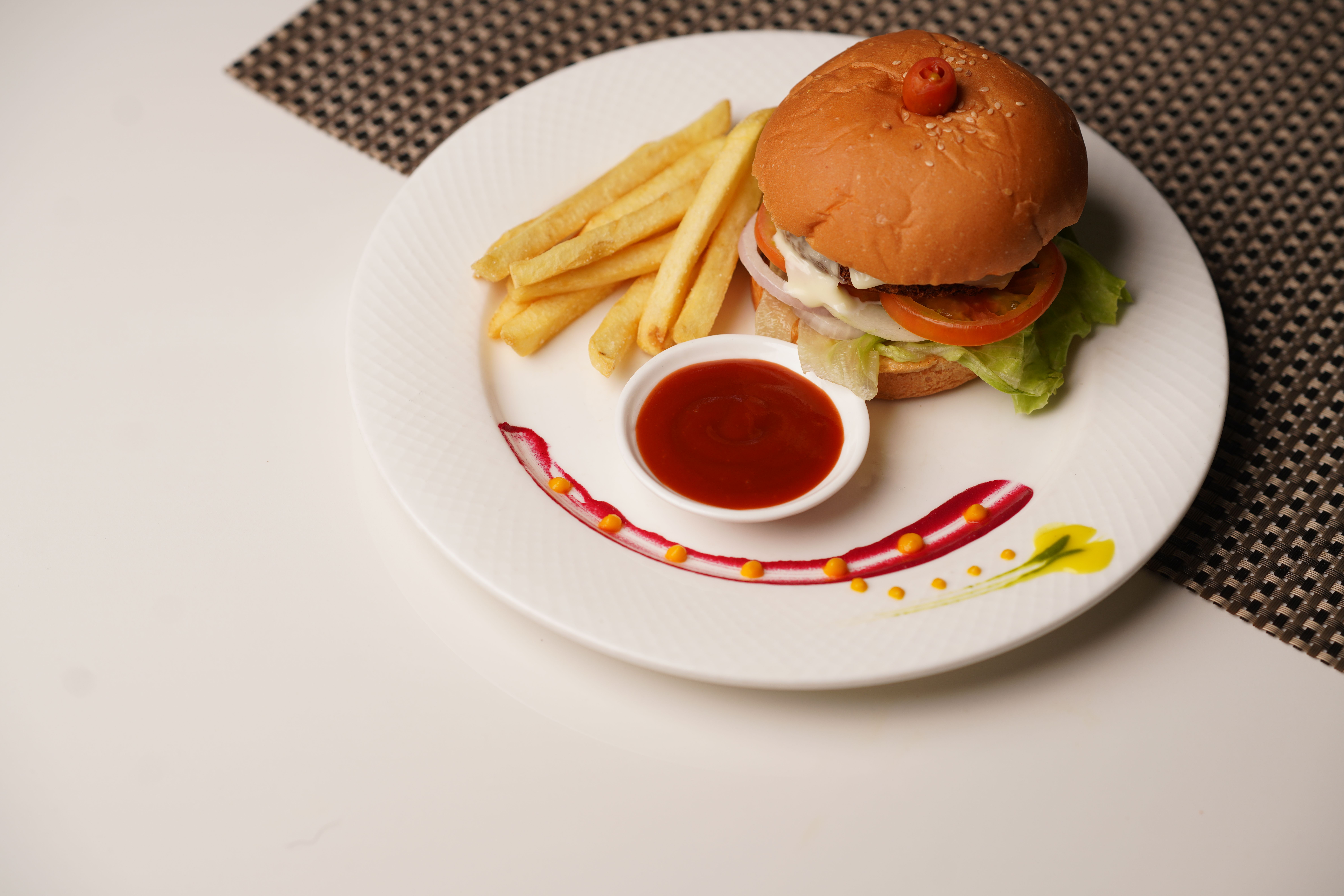
Welcome to 2026, where the future of food is no longer a sci-fi fantasy but a delicious reality. This comprehensive guide explores cultivated meat – the ethical, sustainable, and innovative protein poised to revolutionize your plate. Discover the leading brands, understand the environmental advantages, and learn what to look for when investing in this groundbreaking culinary frontier. Maximize your food budget and impact with insights into the best options available now and in the near future.
Introduction to the Topic
The year is 2026, and the global food landscape is undergoing its most profound transformation in centuries. Gone are the days when 'meat' exclusively meant an animal raised and slaughtered. Today, we stand at the cusp of a culinary revolution, driven by innovation, ethics, and sustainability: the era of cultivated meat. Also known as lab-grown, cell-based, or clean meat, this groundbreaking technology promises all the taste and nutritional benefits of traditional meat, produced directly from animal cells without the need for farming, antibiotics, or extensive land use. It's a game-changer not just for environmentalists and animal welfare advocates, but for every discerning consumer looking for high-quality, safe, and ethically sourced protein options.
As pioneers in cellular agriculture bring their products from limited fine dining experiences to more accessible markets, understanding this new category is crucial. This article from idletalks.com will serve as your definitive 2026 buying guide, dissecting the science, showcasing the leading brands, and helping you navigate the exciting choices available. Prepare to redefine your dinner plate and embrace a future where delicious, sustainable meat is no longer a dream, but a smart, conscious purchase.
Backgrounds & Facts
Cultivated meat begins with a small sample of animal cells, painlessly taken from a living animal. These cells are then fed essential nutrients – much like a plant grows from soil – in bioreactors, which are controlled environments mimicking the conditions inside an animal's body. The cells naturally multiply and differentiate, forming muscle and fat tissues that are biologically identical to conventional meat. The entire process bypasses the need for animal rearing, slaughter, and the associated environmental burdens.
The urgency for cultivated meat is clear. Traditional livestock farming is a significant contributor to greenhouse gas emissions, deforestation, water pollution, and antibiotic resistance. With a global population projected to reach nearly 10 billion by 2050, the demand for protein will skyrocket, making current production methods unsustainable. Cultivated meat offers a compelling solution: it requires significantly less land and water, produces fewer emissions, and eliminates the ethical concerns surrounding animal welfare. Furthermore, the sterile production environment means a reduced risk of foodborne pathogens and the complete absence of antibiotics, leading to a cleaner, safer product for consumers.
By 2026, regulatory frameworks in key markets like Singapore, the United States, and parts of Europe have matured, allowing several companies to bring their products to market. While still a premium offering, initial consumer trials have reported indistinguishable taste and texture from conventional meat, paving the way for wider acceptance and future price parity. This isn't just an alternative; it's a superior, more responsible way to enjoy meat.
Expert Opinion / Analysis
“The advancements in cellular agriculture over the past two years have been astounding,” states Dr. Anya Sharma, lead food biotechnologist at the Global Food Innovation Institute. “What was once a laboratory curiosity is now a viable, high-quality food product. We're seeing rapid improvements in bioreactor efficiency and nutrient media optimization, which are critical for scaling production and bringing down costs. The taste profiles are increasingly sophisticated, matching, and in some cases, even surpassing conventional cuts.”
However, challenges remain. Consumer education is paramount to overcome initial skepticism and misconceptions. “Many consumers still don't fully understand what cultivated meat is, often confusing it with plant-based alternatives or genetically modified organisms,” explains Mark Jensen, a food industry analyst. “Clear labeling and transparent communication from brands are vital. The ‘yuck’ factor is diminishing rapidly as more people taste it, but the industry needs to keep pushing for broader exposure and understanding.”
Another key area is cost. While prices have plummeted from initial prototypes, cultivated meat in 2026 is still positioned as a premium product, often found in high-end restaurants or specialty stores. “Achieving price parity with conventional meat is the ultimate goal for mass adoption,” adds Dr. Sharma. “We anticipate significant breakthroughs in cost reduction over the next 3-5 years as production scales, making it a competitive option for everyday grocery shopping. For now, it represents an investment in superior quality and a sustainable future.”
💰 Best Options in Comparison (VERY IMPORTANT)
As cultivated meat transitions from novelty to mainstream, several pioneering companies are leading the charge. While widespread supermarket availability is still emerging, savvy consumers can increasingly find these products in select markets, high-end restaurants, or through specialized online retailers. Here's a look at some of the top players and their offerings in 2026, helping you decide where to invest your culinary dollars:
- UPSIDE Foods (Cultivated Chicken): A trailblazer in the industry, UPSIDE Foods has focused heavily on cultivated chicken, gaining significant regulatory approvals. Their chicken is renowned for its authentic texture and flavor, making it a favorite among chefs in early market launches. Expect premium pricing, often found in tasting menus or limited-edition retail drops, ideal for those seeking a high-quality, sustainable poultry experience.
- GOOD Meat (Cultivated Chicken & Beef): As one of the first companies to achieve commercial sales in specific regions, GOOD Meat has a head start. Their cultivated chicken offers a versatile, delicious option for various culinary applications. They are also making strides with cultivated beef, positioning themselves as a comprehensive alternative protein provider. Look for their products in progressive food service establishments and select online gourmet stores.
- Aleph Farms (Cultivated Beef – Steaks): Focusing on more complex meat structures like steaks, Aleph Farms aims to replicate the full sensory experience of a traditional cut of beef. Their technology allows for thicker, more fibrous muscle tissue development. While still in its early commercial phases, often debuting in exclusive culinary events, Aleph Farms is targeting the luxury meat market, promising an unparalleled cultivated red meat experience for the discerning palate.
- Wildtype (Cultivated Seafood – Salmon): Addressing the growing concerns around overfishing and ocean pollution, Wildtype specializes in cultivated seafood, with their salmon being a standout product. Their aim is to create sushi-grade salmon that is identical in taste, texture, and nutritional value to wild-caught fish, but without the mercury, microplastics, or environmental impact. Currently available in select high-end sushi restaurants, it's a must-try for seafood lovers.
| Company/Brand | Product Focus | 2026 Market Availability | Key Selling Proposition | Projected Price Range (per serving) |
|---|---|---|---|---|
| UPSIDE Foods | Cultivated Chicken (Fillets, Mince) | Limited fine dining, select specialty retailers (US, Singapore) | Authentic taste & texture, premium quality, strong brand recognition | $25 - $50 |
| GOOD Meat | Cultivated Chicken (Nuggets, Cutlets), early Beef | Progressive food service, online gourmet (Singapore, US, Europe trials) | Pioneer in commercial sales, versatile applications, expanding portfolio | $20 - $45 |
| Aleph Farms | Cultivated Beef (Steaks, Mince) | Exclusive culinary events, very limited high-end restaurants (Europe, Israel) | Focus on whole-cut beef, complex texture replication, luxury experience | $50 - $100+ |
| Wildtype | Cultivated Salmon (Sashimi-grade, fillets) | Select high-end sushi restaurants (US, Japan trials) | Sustainable seafood, identical to wild-caught without contaminants | $30 - $60 |
Outlook & Trends
The future of cultivated meat is incredibly dynamic. We anticipate significant trends shaping its evolution. Firstly, a rapid acceleration in technological innovation will lead to more efficient and cost-effective production methods. Expect to see advancements in scaffolding technologies for complex cuts, as well as the development of novel growth media that further reduce costs and increase sustainability. Hybrid products, combining cultivated meat cells with plant-based ingredients, will also gain traction, offering unique textures and flavor profiles at more accessible price points.
Secondly, the regulatory landscape will continue to expand, with more countries establishing clear pathways for cultivated meat approval, opening new markets for consumers. This will be coupled with increased investment, as food tech giants and venture capitalists pour capital into scaling production facilities. We foresee cultivated meat becoming a staple in institutional food service – schools, hospitals, and corporate cafeterias – driven by sustainability goals and cost-effectiveness as prices drop.
Finally, consumer acceptance will grow exponentially. As more people taste and understand the benefits, the perception will shift from 'alternative' to 'premium sustainable choice.' Educational initiatives and transparent marketing will be key to this transition, making cultivated meat not just a niche product, but a significant component of the global protein supply chain by the end of the decade. This isn't just a trend; it's the inevitable evolution of our food system, offering both ethical and financial benefits.
Conclusion
The year 2026 marks a pivotal moment for cultivated meat, transforming it from a futuristic concept into a tangible, delicious reality. As a discerning consumer, embracing this innovation offers not just a novel culinary experience but a powerful way to support sustainability, animal welfare, and food security. While still a premium market, the quality and impact of these products are undeniable. Whether you're a food adventurer, an ethical shopper, or simply looking for the next big thing in gastronomy, exploring cultivated meat is a smart investment in your plate and our planet's future. Keep an eye on idletalks.com for the latest updates and reviews as this exciting industry continues to grow and evolve.