
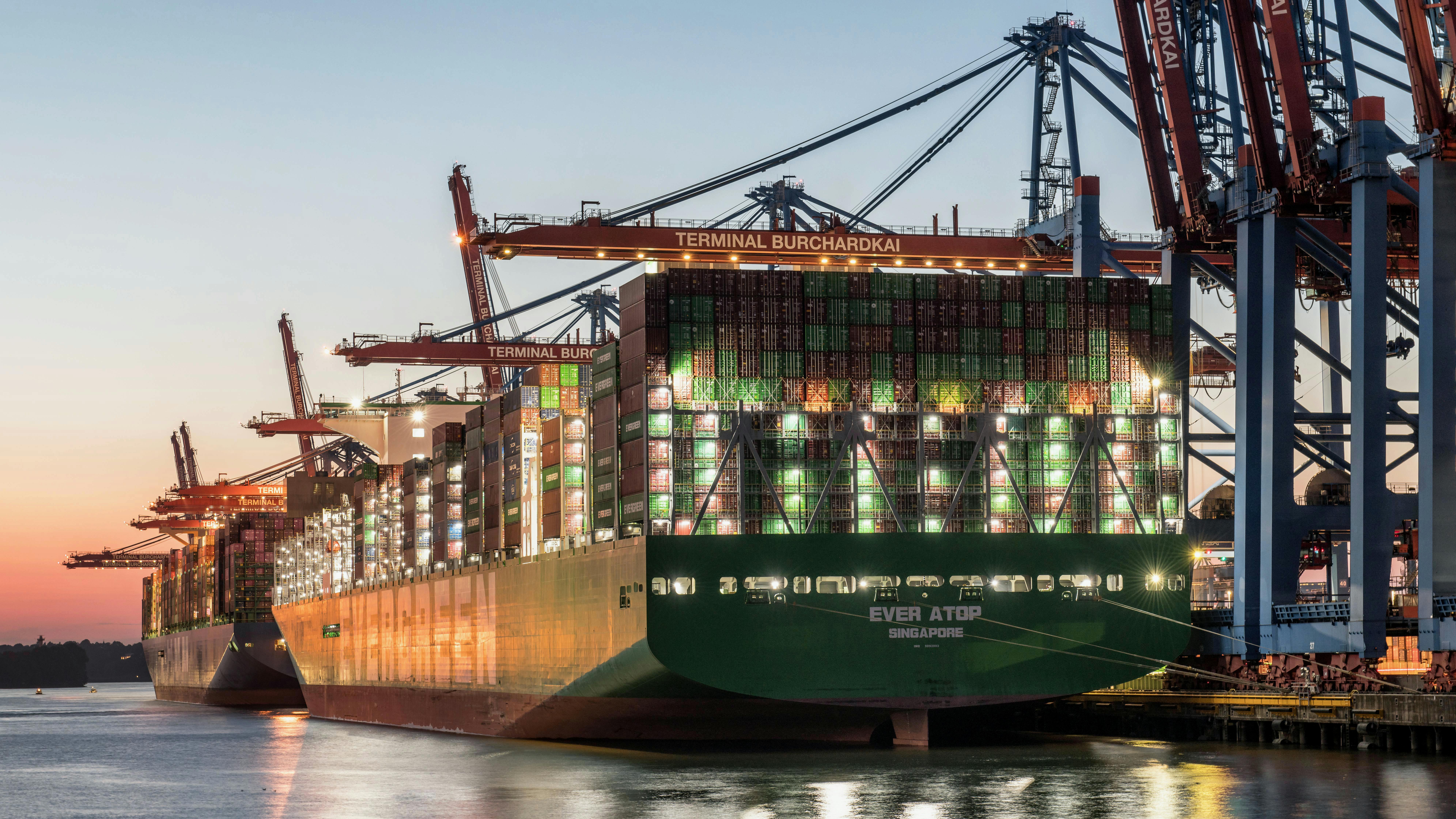
In 2026, Artificial Intelligence (AI) is no longer a futuristic concept but the bedrock of competitive global trade. Discover how AI-powered supply chain optimization, predictive analytics, and autonomous logistics are driving unprecedented efficiency and resilience, and compare the leading platforms transforming businesses worldwide. Optimize your operations, reduce costs, and secure your market position with the right AI investment.
Introduction to the Topic
Welcome to 2026, where the gears of global commerce are spun not just by human ingenuity, but by the relentless, intelligent algorithms of Artificial Intelligence. The promise of AI in trade and logistics has moved beyond mere speculation, becoming an undeniable reality that is reshaping supply chains, international shipping, and market dynamics at an astonishing pace. Businesses that embrace this transformation are not just surviving; they are thriving, unlocking unprecedented efficiencies, mitigating risks, and discovering new avenues for profitability. For any enterprise involved in the intricate dance of global trade, understanding and implementing AI solutions is no longer an option—it's an imperative for survival and sustained growth.
This article dives deep into the AI revolution gripping the trade sector. We'll explore how intelligent systems are moving beyond basic automation to offer sophisticated predictive capabilities, real-time visibility, and autonomous decision-making across the entire supply chain. From forecasting demand with uncanny accuracy to optimizing freight routes in real-time and even managing complex customs procedures, AI is the silent architect building the future of commerce. But with a rapidly evolving market, how do you navigate the landscape of AI solutions? What are the key players, and which platforms offer the most compelling advantages for your specific needs? Join us as we demystify the AI-powered trade ecosystem and help you identify the strategic investments that will define your success in the coming years.
Backgrounds & Facts
The journey to an AI-driven trade landscape has been catalyzed by a confluence of factors over the past half-decade. The unprecedented disruptions of the early 2020s—from global pandemics and geopolitical tensions to climate-induced supply shocks—exposed critical vulnerabilities in traditional, often manual, supply chain models. Businesses grappled with unforeseen demand spikes, port congestions, labor shortages, and skyrocketing logistics costs, leading to a collective realization: resilience and agility are paramount.
Enter AI. What began as experimental applications in warehouse management and basic data analysis has, by 2026, matured into comprehensive, integrated solutions. The market for AI in supply chain management is projected to exceed $25 billion globally this year, demonstrating a compound annual growth rate (CAGR) of over 30% since 2020. This explosive growth is fueled by undeniable benefits:
- Predictive Analytics: AI algorithms can analyze vast datasets—historical sales, weather patterns, social media trends, economic indicators—to forecast demand with up to 95% accuracy, significantly reducing overstocking and stockouts.
- Optimized Logistics: Machine learning models now dynamically optimize shipping routes, consolidate cargo, and manage freight capacities, slashing transportation costs by 15-20% and reducing carbon emissions.
- Enhanced Visibility: Real-time tracking and IoT integration, powered by AI, provide end-to-end visibility of goods in transit, enabling proactive problem-solving and improved customer communication.
- Automated Operations: From robotic process automation (RPA) in administrative tasks to autonomous mobile robots (AMRs) in warehouses and even self-driving trucks in controlled environments, AI is automating repetitive and labor-intensive processes, boosting operational efficiency by as much as 40%.
- Risk Management: AI can identify potential supply chain disruptions—from natural disasters to supplier insolvency—before they escalate, allowing businesses to pivot and mitigate impact.
Early adopters, particularly large e-commerce giants and multinational manufacturers, have reported substantial returns on investment, often achieving payback periods of less than 18 months. These success stories are now inspiring a broader adoption wave across SMEs, making AI-powered solutions more accessible and indispensable than ever before.
Expert Opinion / Analysis
“The question is no longer *if* you should integrate AI into your trade operations, but *how fast*,” asserts Dr. Anya Sharma, lead analyst at Global Trade Insights. “In 2026, AI is the great equalizer. It allows smaller players to compete with the logistical might of conglomerates, and it empowers established firms to maintain their competitive edge in an increasingly volatile world.”
Dr. Sharma emphasizes that the true power of AI lies in its ability to process and synthesize data far beyond human capacity, transforming raw information into actionable intelligence. “We’re seeing a shift from reactive problem-solving to proactive, even prescriptive, strategies. AI doesn't just tell you what happened; it tells you what *will* happen and *what you should do about it*,” she explains. “This level of foresight is invaluable when navigating complex international regulations, fluctuating material costs, and unpredictable consumer behavior.”
However, Dr. Sharma also cautions against a 'set it and forget it' mentality. “Successful AI integration requires a strategic approach. It's not just about buying software; it's about data quality, talent development, and a culture of continuous learning. Businesses must invest in upskilling their workforce to work alongside AI, understanding its outputs and refining its inputs. The initial investment in technology and training can be significant, but the long-term ROI in terms of cost savings, increased revenue, and enhanced customer satisfaction far outweighs the upfront expenditure.” She predicts that by 2030, businesses without robust AI integration in their supply chains will face severe competitive disadvantages, struggling with higher operational costs and reduced market responsiveness.
💰 Best Options in Comparison (VERY IMPORTANT)
Navigating the burgeoning market of AI-powered trade and logistics platforms can be daunting. To help you make an informed decision and future-proof your operations, we’ve evaluated some of the top solutions dominating the market in 2026, each offering distinct strengths for various business needs. When considering an investment, evaluate your specific pain points, existing infrastructure, and scalability requirements.
- QuantumLogix AI: The Predictive Powerhouse
QuantumLogix AI specializes in advanced predictive analytics and demand forecasting. Leveraging quantum-inspired algorithms and vast datasets, it offers unparalleled accuracy in anticipating market shifts, optimizing inventory levels, and preventing stockouts. Its strength lies in its ability to synthesize external factors (economic indicators, social trends, weather) with internal data, making it ideal for businesses with complex product portfolios or highly volatile demand. QuantumLogix excels in reducing carrying costs and maximizing sales opportunities through precise inventory management. - SynapseLink Global: End-to-End Visibility & Orchestration
SynapseLink Global is designed for comprehensive, real-time supply chain visibility and orchestration. It integrates seamlessly with existing ERP, TMS, and WMS systems, providing a single pane of glass for monitoring goods from raw material to final delivery. Its AI-driven risk assessment module proactively identifies potential disruptions (e.g., port delays, geopolitical instability, supplier performance issues) and suggests alternative routes or sourcing options. SynapseLink is perfect for enterprises managing complex global networks that require robust risk management and agile response capabilities. - AetherFlow Robotics: Automation & Operational Efficiency
AetherFlow Robotics focuses on the physical automation of logistics and warehousing. Beyond traditional robotics, its AI-powered systems optimize warehouse layouts, manage autonomous mobile robot (AMR) fleets for picking and packing, and even coordinate automated loading/unloading processes. AetherFlow's solutions significantly reduce labor costs, improve throughput, and minimize errors in fulfillment centers. It's the go-to choice for businesses looking to achieve next-level operational efficiency in their physical logistics infrastructure.
Here’s a detailed comparison of these leading AI platforms to guide your purchasing intent:
| Feature / Platform | QuantumLogix AI | SynapseLink Global | AetherFlow Robotics |
|---|---|---|---|
| Core Focus | Predictive Demand Forecasting & Inventory Optimization | End-to-End Supply Chain Visibility & Risk Management | Warehouse Automation & Autonomous Logistics |
| Key AI Capabilities | Quantum-inspired algorithms, scenario planning, dynamic pricing suggestions | Real-time tracking, disruption prediction, alternative route/sourcing suggestions | Robotic process optimization, AMR fleet management, automated material handling |
| Integration Capabilities | Strong API for ERP, CRM, and sales data platforms | Extensive connectors for TMS, WMS, ERP, IoT devices, and carrier systems | Integrates with WMS, MES, and facility management systems |
| Target User | Supply Chain Planners, Inventory Managers, Procurement Teams | Logistics Directors, Risk Managers, Global Trade Operations | Warehouse Managers, Operations Directors, Fulfillment Centers |
| Pricing Model | SaaS, tiered based on data volume & forecast complexity | SaaS, per user/per transaction, enterprise custom pricing | Hardware purchase + SaaS for software/maintenance, project-based |
| Best For | Businesses needing superior demand accuracy and inventory cost reduction | Companies with complex global supply chains requiring resilience and real-time insights | Organizations aiming to automate physical logistics, warehouses, and fulfillment |
Outlook & Trends
The AI revolution in trade is far from over; it’s merely entering its next exciting phase. Looking ahead, several key trends are set to further redefine the landscape by the end of the decade:
- Generative AI for Supply Chain Design: Beyond predictive analytics, Generative AI will play a crucial role in designing entirely new, optimized supply chain networks from scratch. Imagine AI simulating various geopolitical scenarios, climate impacts, and market shifts to recommend the most resilient and cost-effective supply chain architecture before a single physical component is moved.
- Hyper-Personalized Logistics: AI will enable logistics providers to offer increasingly personalized services, anticipating individual customer needs and preferences, dynamically adjusting delivery times, and even suggesting alternative fulfillment options based on real-time factors like traffic or weather.
- Ethical AI & Sustainable Trade: As global trade faces increasing scrutiny over its environmental and social impact, AI will become instrumental in verifying ethical sourcing, tracing carbon footprints, and ensuring compliance with sustainability regulations. Blockchain-AI integration will provide immutable records for transparent supply chains.
- Quantum Computing Integration: While still nascent, the potential for quantum computing to supercharge AI algorithms for complex optimization problems (e.g., global freight network optimization with millions of variables) is immense. By 2028-2030, we could see hybrid quantum-AI solutions offering unprecedented computational power for trade challenges.
- Human-AI Collaboration: The future isn’t about replacing humans but augmenting their capabilities. AI will handle the data crunching and repetitive tasks, freeing human experts to focus on strategic decision-making, relationship building, and creative problem-solving. The 'AI-powered trade specialist' will be a highly sought-after role.
These trends underscore a future where trade is not only more efficient and resilient but also more intelligent, ethical, and responsive to the intricate demands of a globalized, yet increasingly localized, economy.
Conclusion
The year 2026 marks a pivotal moment for global trade, firmly establishing AI as the indispensable engine of efficiency, resilience, and profitability. From sophisticated demand forecasting and real-time risk mitigation to the automation of physical logistics, AI is transforming every facet of the supply chain. Businesses that embrace these intelligent technologies are not just gaining a competitive edge; they are fundamentally redefining their operational capabilities and securing their future in an unpredictable global marketplace.
The decision to invest in AI is no longer a luxury but a strategic necessity. By carefully evaluating platforms like QuantumLogix AI, SynapseLink Global, or AetherFlow Robotics, and aligning their strengths with your specific business objectives, you can unlock significant cost savings, boost operational performance, and foster unparalleled agility. The future of trade is intelligent, interconnected, and highly optimized. Don't be left behind; start your AI journey today and position your enterprise to thrive in the dynamic world of 2026 and beyond.