
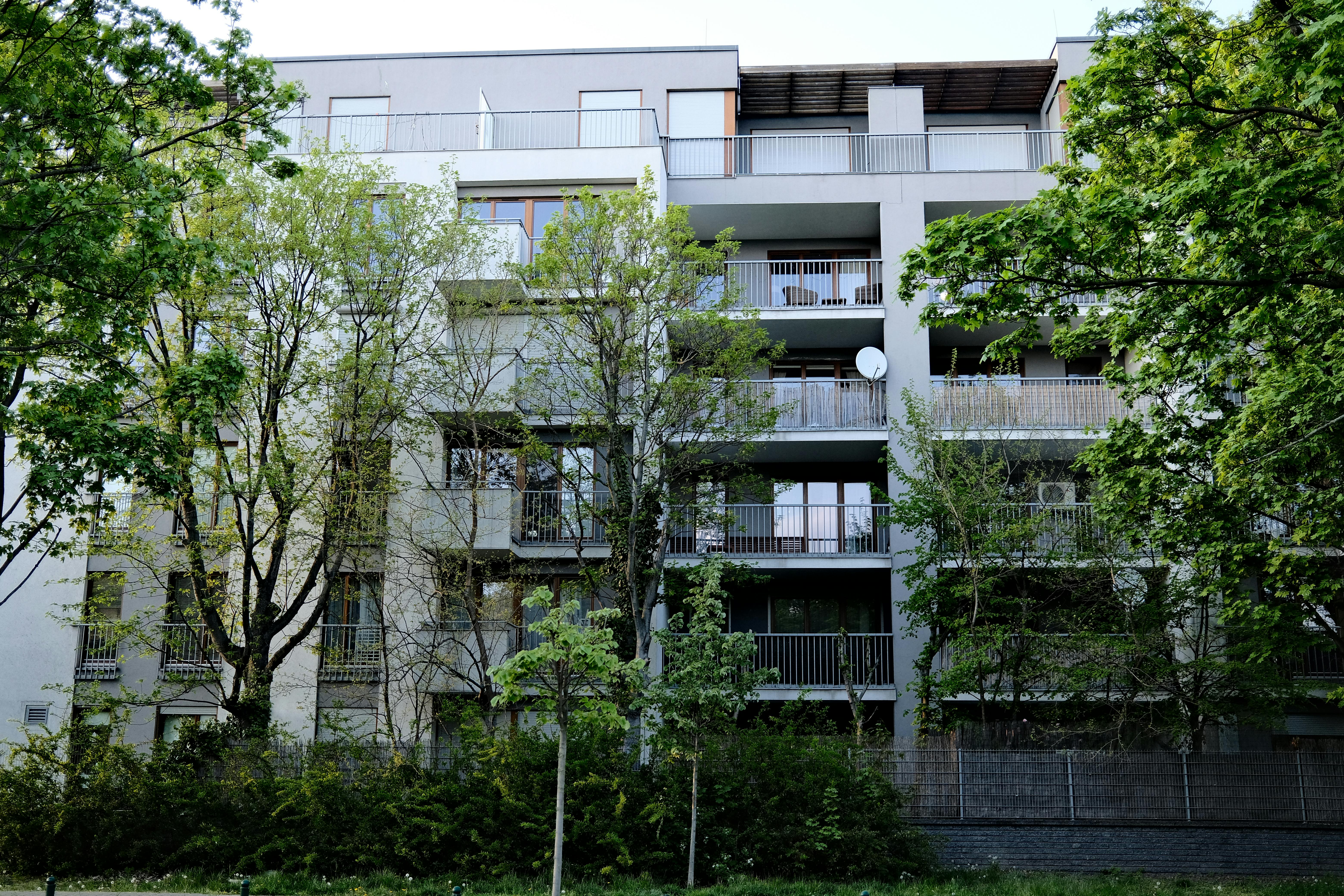
Discover how fractional and co-ownership models are revolutionizing luxury real estate investment in 2026, offering unprecedented access to prime properties, diversified portfolios, and hassle-free management. Explore leading platforms and strategies for high-net-worth individuals seeking smart, sustainable wealth growth and exclusive lifestyle benefits.
Introduction to the Topic
In the dynamic world of 2026 real estate, traditional luxury home ownership is undergoing a profound transformation. As property values in coveted destinations continue their ascent and the demand for flexible, diversified investment strategies intensifies, an innovative solution is capturing the attention of savvy investors and lifestyle seekers alike: fractional and co-ownership models. No longer confined to the outdated timeshare model, these sophisticated structures offer a gateway to acquiring a piece of exquisite, professionally managed luxury real estate without the full financial commitment or operational burden of sole ownership. At idletalks.com, we’re diving deep into how this trend is reshaping the landscape of high-end property investment, delivering both compelling financial returns and an unparalleled lifestyle. If you're looking to diversify your portfolio, gain access to prime global locations, and optimize your real estate investments for maximum CPM, understanding these cutting-edge models is paramount.
Backgrounds & Facts
The concept of shared property ownership isn't new, but its modern iteration, particularly within the luxury segment, is remarkably evolved. Fractional ownership, in its purest form, involves purchasing a deeded share of a specific property, granting you usage rights for a predetermined number of weeks or months per year, alongside a proportionate share of the property's appreciation. Co-ownership, while similar, often implies a smaller group of owners (typically 2-4) who collectively own the entire property, sharing usage and expenses through a pre-agreed legal framework. Unlike the rigid, often depreciating timeshare, modern fractional and co-ownership properties are typically high-value, professionally managed assets located in desirable destinations, and crucially, they are equity investments designed to appreciate.
By 2026, the global luxury fractional ownership market is projected to exceed $10 billion, driven by several key factors. Soaring property prices in hotspots like Aspen, St. Barts, Tuscany, and Lake Como make outright ownership prohibitive for many, even high-net-worth individuals, who prefer to allocate capital more efficiently across diverse assets. Furthermore, the desire for hassle-free ownership is stronger than ever. Investors want the benefits of a luxury vacation home – privacy, space, premium amenities – without the headaches of maintenance, staffing, or utility management. Modern platforms leverage advanced technology, including blockchain for transparent ownership records and smart contracts, to streamline transactions and governance, fostering trust and efficiency.
The economic landscape of 2026 also plays a significant role. With fluctuating interest rates and a persistent inflationary environment, investors are seeking tangible assets that offer both capital preservation and potential growth. Fractional ownership allows for diversification into real estate without over-concentration in a single asset, freeing up capital for other ventures. It democratizes access to properties that were once exclusively for billionaires, opening up new investment avenues for a broader segment of affluent individuals. These models are not just about vacationing; they are sophisticated wealth management tools designed for the modern investor.
Expert Opinion / Analysis
“The days of one-size-fits-all luxury property ownership are over,” states Dr. Anya Sharma, lead real estate economist at Global Property Insights. “In 2026, investors are demanding flexibility, efficiency, and smart capital deployment. Fractional and co-ownership models perfectly align with these demands, offering a sweet spot between outright ownership and high-end rentals. We’re seeing a significant shift in investor psychology, prioritizing asset diversification and lifestyle integration.”
Legal expert Michael Chen, specializing in property law at LexTerra Partners, emphasizes the robust legal frameworks underpinning these modern structures. “Today’s platforms are meticulously structured, often utilizing LLCs, trusts, or specialized corporate entities to hold the property. This provides clear ownership rights, outlines usage schedules, defines exit strategies, and establishes transparent governance for maintenance and operational costs. The key is due diligence on the platform and its legal documentation.” Chen also notes the increasing role of AI in personalizing property matches and forecasting appreciation for these shared assets, adding another layer of sophistication for investors.
Wealth manager Sarah Jenkins of Apex Financial Advisors highlights the strategic advantage for portfolio optimization. “For our clients, fractional ownership isn't just about a beautiful second home; it’s a strategic real estate play. It allows them to gain exposure to appreciating luxury markets with a fraction of the capital outlay, reducing risk concentration. The professional management aspect is a huge draw, freeing up their time while ensuring their asset is impeccably maintained and potentially generating rental income during unused periods.” The consensus among experts is clear: these models are not a niche product but a mainstream, sophisticated investment strategy for affluent individuals in 2026.
💰 Best Options in Comparison (VERY IMPORTANT)
Navigating the burgeoning market of fractional and co-ownership platforms requires careful consideration. Each platform offers unique properties, legal structures, and service levels. Here, we compare some of the leading options for luxury real estate investment in 2026, designed for investors with purchasing intent:
- Pacaso: A pioneer in the modern co-ownership space, Pacaso focuses on luxury second homes in prime destinations like Napa Valley, Aspen, and The Hamptons. They handle all aspects of property acquisition, legal structuring (typically an LLC per home), and ongoing management, offering shares from 1/8th to 1/2. Their model emphasizes hassle-free enjoyment and professional management.
- AvantStay (Private Residences): Known for its tech-forward approach to short-term rentals, AvantStay has expanded into a private residences program, offering fractional ownership in curated, design-forward homes. They leverage their hospitality expertise to provide exceptional service and property management, often with a focus on sought-after vacation rental markets.
- Elite Alliance: Operating as a luxury exchange program, Elite Alliance partners with high-end private residence clubs and fractional properties globally. While not a direct ownership platform, it offers owners of qualifying fractional properties the ability to exchange unused time for stays at other elite destinations, significantly enhancing the value and flexibility of their investment.
- Equity Estates: A private equity fund model, Equity Estates allows investors to buy a share in a portfolio of luxury homes across the globe. Rather than owning a piece of a single home, you own a share of the entire portfolio, giving you access to dozens of multi-million dollar residences for a set number of weeks per year. This offers unparalleled diversification and access.
To help you compare, here's a detailed breakdown:
| Platform/Model | Property Type Focus | Minimum Investment Range | Legal Structure | Key Differentiator |
|---|---|---|---|---|
| Pacaso | Single Luxury Second Homes (e.g., villas, chalets) | $500,000 - $5,000,000+ (for 1/8th share) | Property-specific LLC | Seamless, professionally managed co-ownership of individual homes. |
| AvantStay (Private Residences) | Curated, design-forward luxury homes in vacation hotspots | Varies, typically $300,000+ | Varies, often LLC or similar | Hospitality-driven service and property management expertise. |
| Elite Alliance | Exchange Program for existing fractional owners | Membership fee (requires existing fractional ownership) | N/A (exchange network) | Expands usage options for existing fractional owners globally. |
| Equity Estates | Portfolio of 60+ luxury homes worldwide (fund model) | $500,000 - $1,500,000+ (fund share) | Private Equity Fund | Diversified access to a global portfolio of luxury homes, not just one. |
When considering these options, evaluate your primary goal: is it ownership of a specific dream home, maximum flexibility across multiple destinations, or a blend of both? Research each platform's fee structure, property selection process, booking system, and exit strategy thoroughly to ensure it aligns with your investment objectives and lifestyle preferences. Consulting with a financial advisor specializing in alternative investments is highly recommended.
Outlook & Trends
The trajectory for fractional and co-ownership in luxury real estate is unequivocally upward. By 2030, analysts predict these models will account for a significant portion of all new luxury second home acquisitions. Several trends are fueling this growth:
- Expansion into New Asset Classes: Expect to see fractional ownership extending beyond traditional homes to include luxury yachts, private jets, and even commercial properties in prime urban centers, catering to a broader spectrum of high-net-worth investment.
- Sustainability Focus: As environmental consciousness grows, platforms will increasingly offer eco-luxury properties built with sustainable materials and smart energy systems, appealing to environmentally conscious investors.
- AI-Powered Personalization: AI will further enhance the experience, from matching investors with properties based on intricate preferences to dynamic pricing for unused shares and predictive maintenance for properties, optimizing both investment and enjoyment.
- Blockchain Integration: The use of blockchain for secure, transparent, and immutable ownership records and automated smart contracts will become standard, simplifying transactions and reducing administrative overhead.
- Regulatory Evolution: As the market matures, regulatory frameworks will continue to evolve, providing greater clarity and protection for investors, further solidifying the legitimacy and appeal of these models.
The future points towards a highly efficient, digitally integrated, and globally accessible luxury real estate market where ownership is more about smart investment and experiential value than rigid, singular possession.
Conclusion
For the discerning investor in 2026, fractional and co-ownership models represent a powerful evolution in luxury real estate. They offer a financially astute pathway to enjoying premium properties in world-class destinations, coupled with professional management and the potential for significant capital appreciation. By reducing the entry barrier and operational burden, these models unlock access to a lifestyle and investment class previously reserved for a select few. As you consider your next strategic move in real estate, explore these innovative platforms. They are not just selling property; they are selling a smarter, more flexible future of luxury living and wealth creation. Make an informed decision, and step into the future of elite real estate investment today.