
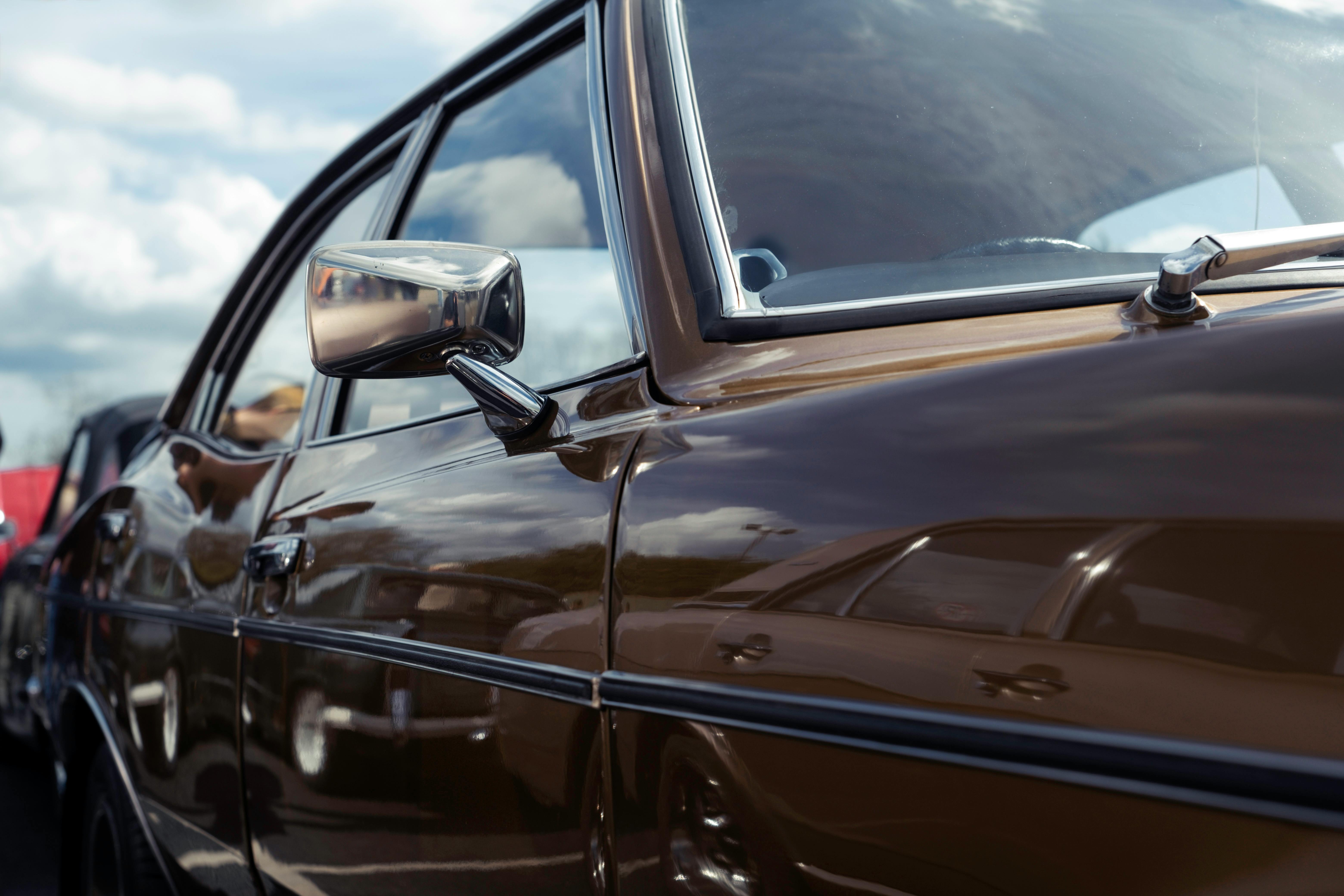
After a decade in which nearly every control migrated to a central display, manufacturers have begun restoring physical switches for common functions. Both moves had clear reasons.
Screens were cheaper to build and easier to change
Every physical control requires tooling, wiring, a mounting point and its own supply chain, and each variant of a model may need a different arrangement.
A single display replaces dozens of those parts with one component and a software build, which simplifies assembly and reduces the number of items that can rattle or fail.
It also allows functions to be added or rearranged after the vehicle is designed, and in some cases after it has been sold.
Touch controls demand the wrong kind of attention
A physical switch can be found by feel, because it occupies a fixed position with a distinct shape and provides confirmation through resistance and movement.
A touchscreen offers none of that, so adjusting temperature or demisting requires looking away from the road, sometimes through more than one menu level.
Independent testing of in-car interfaces has consistently found that common tasks take longer on screens than on switches, and time spent looking away is the safety concern.
Safety assessment turned preference into requirement
Vehicle safety rating bodies have begun considering how core functions are operated, indicating that top scores will require physical controls for a defined set of tasks.
Ratings influence purchasing by fleets and insurers as well as consumers, so a scoring change reaches product planning quickly.
Manufacturers had already begun reversing course under customer criticism, and the assessment change gave the decision a firmer commercial basis.
Voice control did not solve the problem
Speaking a command was expected to replace both switches and screens, and it works well for navigation and messaging where the alternative is worse.
For simple adjustments it is slower and less certain than a knob, particularly with passengers talking, road noise present, or an accent the system handles poorly.
Failed recognition also costs more attention than the original task would have, which undermines the safety rationale for using it.
The settlement is a hybrid layout
The emerging pattern keeps the screen for navigation, media browsing and settings, while returning climate, volume, demist and hazard functions to dedicated controls.
Steering wheel switches are being restored for the same reason, since they can be reached without moving the hands from the wheel.
The lesson generalises beyond vehicles: an interface that requires vision is a poor choice for a task performed while looking somewhere else.